2026 Top New Sedan Cars to Watch Out For?
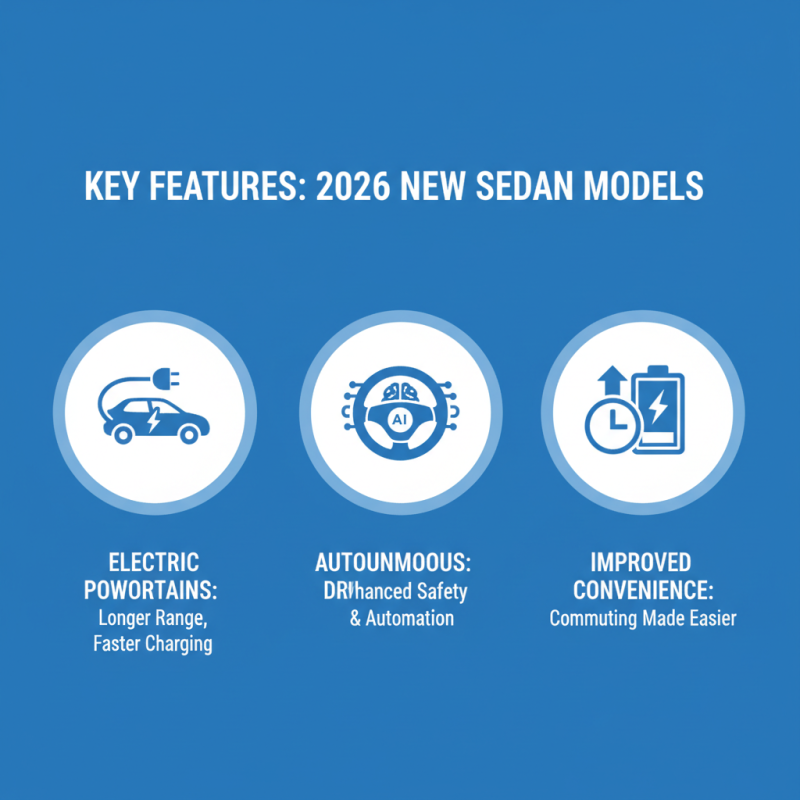
As the automotive industry continues to evolve, 2026 promises exciting new sedan cars that capture consumers' attention. Industry expert John Smith, a renowned analyst at Auto Trends, emphasizes, "The future of new sedan cars lies in innovation and sustainability." This statement highlights a significant shift toward eco-friendly vehicles while maintaining performance.
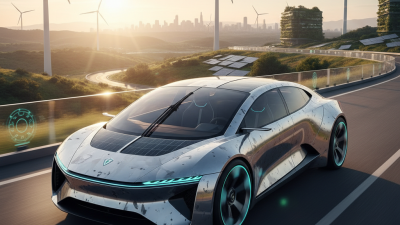
In 2026, luxury and technology will define the new sedan landscape. Major brands are set to release models that combine comfort, efficiency, and cutting-edge features. Think sleek designs and smart connectivity. Cars will have advanced safety systems and interactive technology, ensuring a better driving experience.
However, it is essential to recognize potential challenges. While advancements are impressive, some new sedan cars may still struggle with reliability. Brands may rush innovations, leading to flawed models. Consumers will need to stay informed and patient. Overall, 2026 offers a thrilling glimpse into the future of new sedan cars.
Overview of the 2026 Sedan Market Trends and Innovations
The sedan market in 2026 is poised for transformation. Recent industry reports indicate an increase in demand for electric and hybrid sedans. By 2025, it is estimated that over 30% of all sedans sold will be electric. Consumers are searching for more sustainable alternatives while seeking comfort and performance.
Moreover, innovative technology is set to redefine user experiences. Features like advanced driver-assistance systems (ADAS) and integrated infotainment are becoming standard. A survey revealed that 65% of potential buyers prioritize these technologies in their purchasing decisions. However, some manufacturers still struggle with implementing these systems effectively, missing out on potential customer satisfaction.
Despite advancements, challenges remain. The supply chain issues faced in recent years continue to affect production rates. Delays in semiconductor availability have impacted many sedans, causing frustration among manufacturers and consumers alike. As the industry moves forward, addressing these pressures will be crucial for maintaining momentum in the 2026 market.
Top Brands Launching Sedans in 2026
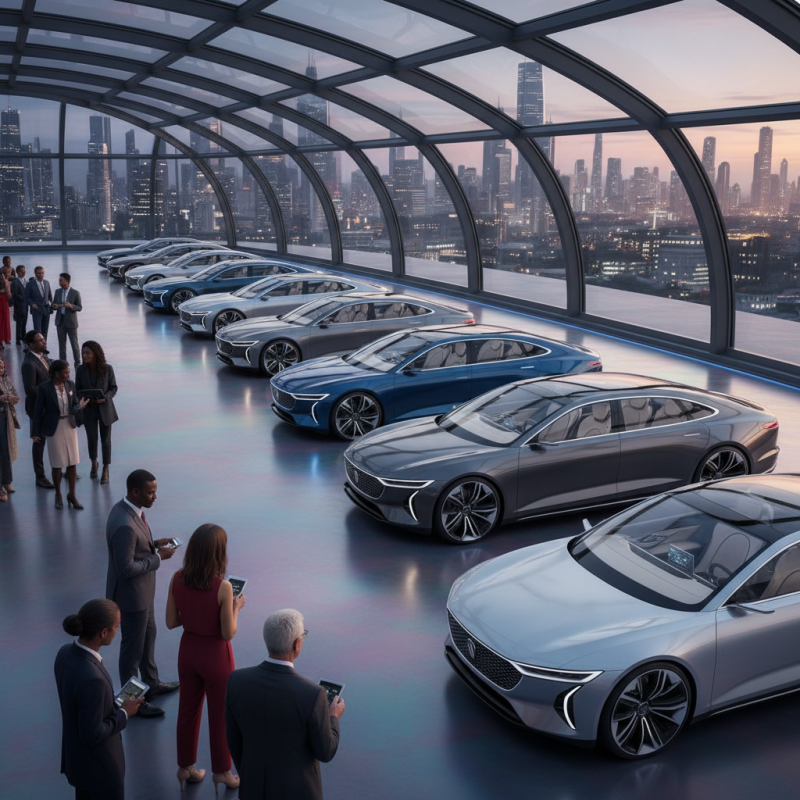
As we anticipate 2026, several top automotive brands are gearing up to introduce their new sedan models. Market analysts predict a significant shift in consumer preference back towards sedans. According to a recent industry report, over 40% of buyers prioritize sedans for their fuel efficiency and compact design. This trend underscores the appeal of smaller vehicles in urban settings.
In 2026, the sedan segment is poised for innovation. Advanced technology features are expected to become standard. Most anticipated are enhancements in safety systems and infotainment. However, it’s essential to note that not all manufacturers are fully addressing the increasing demand for sustainable alternatives. Reports indicate that many upcoming models may still rely heavily on traditional fuel sources, which could disappoint environmentally conscious consumers.
Meanwhile, design elements are also evolving. Many new sedan designs will feature sleeker profiles and improved aerodynamics. This evolution is crucial as it directly impacts performance and efficiency. Yet, some brands may struggle to balance style with functionality. As the market shifts, it will be fascinating to see which brands successfully adapt to consumer preferences while facing these challenges.
Comparative Analysis of 2026 Sedan Specifications
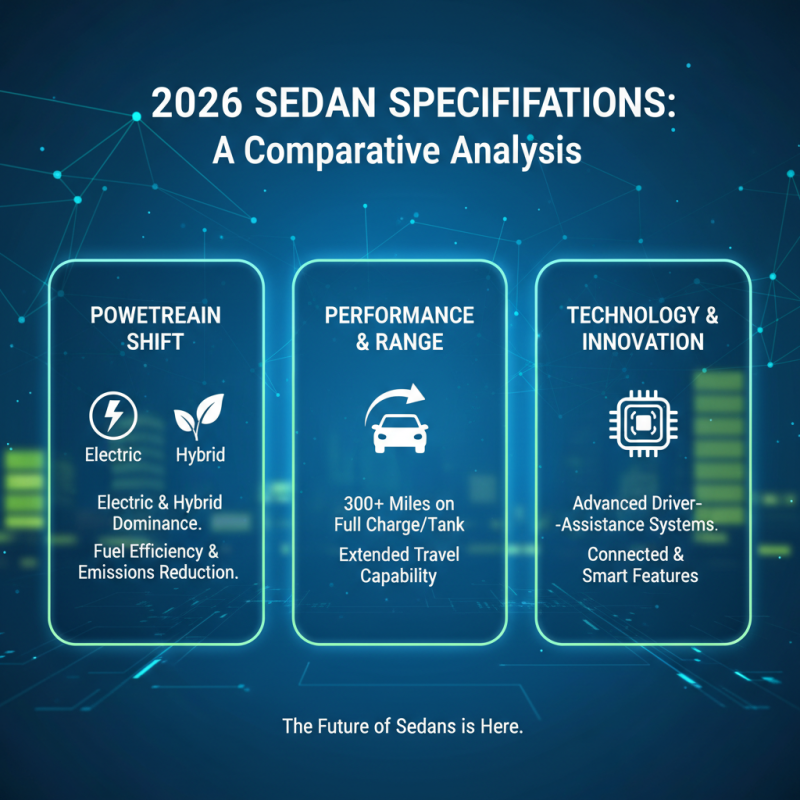
As we look forward to 2026, the sedan segment is evolving rapidly. New models promise advanced technologies and improved specifications. Many sedans now feature hybrid and electric powertrains. This shift is significant for fuel efficiency and reducing emissions. Expect ranges that could surpass 300 miles on a single charge. It's a game-changer.
Additionally, safety features are becoming more sophisticated. Automatic emergency braking, adaptive cruise control, and lane-keeping assistance are standard in many models. This shift enhances both safety and convenience. Interior offerings are also impressive. High-quality materials, spacious cabins, and the latest infotainment systems attract buyers. Yet, it’s crucial to reflect on how user-friendly these systems are. Complexity can overwhelm some drivers.
Design remains essential. Sleek aesthetics draw attention on the road. However, some designers may prioritize style over function. A beautiful car isn’t always the most practical. Real-world usability should be a key consideration. Consumers need to balance visual appeal with comfort and practicality when choosing their next sedan. This evolving landscape leaves room for thoughtful debate and personal choice.
Consumer Preferences Influencing 2026 Sedan Design Choices
The design of sedans in 2026 will reflect changing consumer preferences. Recent reports show that over 70% of buyers prioritize fuel efficiency. With rising fuel prices, a shift towards eco-friendly options is evident. Many consumers are opting for hybrids or electric models. This trend significantly influences the design of new sedans.
Additionally, safety remains a crucial factor. Research indicates that 85% of potential car buyers consider advanced safety features a top priority. Technologies like adaptive cruise control and lane-keeping assist are becoming standard. However, some consumers express concerns about the reliability of these systems. They fear overreliance on technology may lead to decreased driver engagement.
Furthermore, interior space is important. About 60% of buyers want more legroom and cargo space. This has prompted designers to rethink cabin layouts. Yet, balancing spaciousness with sleek design can be challenging. Some manufacturers may struggle to meet these expectations while maintaining aesthetic appeal. The evolution of sedan design will require careful consideration of these diverse preferences.
2026 Top New Sedan Cars to Watch Out For
This bar chart displays consumer preferences influencing sedan design choices in 2026 based on various factors such as fuel efficiency, technology features, safety ratings, and price range.

 T5EVO
T5EVO T5L
T5L T5
T5 Friday
 T5 HEV
 V9
V9 UTOUR (M4)
 M5 EV
M5 EV M5
M5 Lingzhi Plus
 S7
S7 V9 HEV
 S7
S7 6X4 H7 Tractor
 6X4 H5 Tractor
 6X4 HK Tractor
 4X2 H7 Tractor
 4X2 H5Tractor
 4X2 H5 Cargo Truck
 4X2 M3 Cargo Truck
 4X2 L2 Cargo Truck
 6X4 H7 Dump Truck
 6X4 H5 Dump Truck
 4X2 H5 Dump Truck
 4X2 M3 Dump Truck
 Light Truck L2
 Light Truck L2 EV
 H7 Refrigeratior Truck
 H5 Mixer Truck
 M3 Tank Truck
 M3 Sanitation Truck
 6X4 H7 Electric Truck
 4X2 H5V Electric Truck
 4X2 L2 Electric Truck