Top 10 New Energy Car Models to Watch in 2026?
As the automotive industry rapidly evolves, New Energy Cars are at the forefront. These vehicles promise reduced emissions and sustainability. By 2026, the market will showcase numerous innovative models that attract attention.
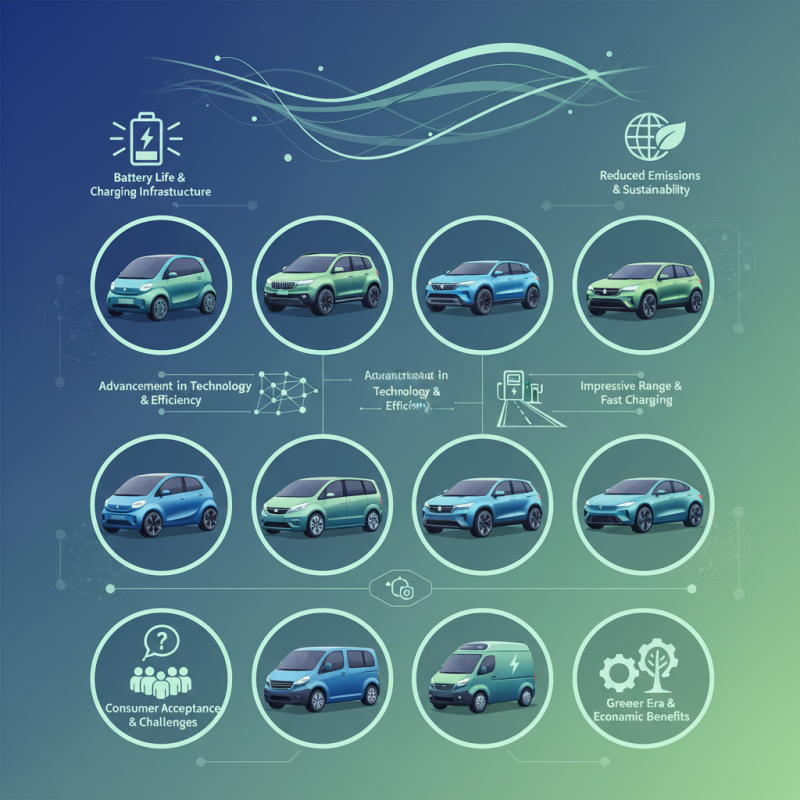
The future of New Energy Cars encompasses advancements in technology, efficiency, and design. Companies are investing in battery life and charging infrastructure. Some emerging models will likely offer impressive range and fast charging capabilities. Yet, challenges remain. Consumer acceptance and proper infrastructure are vital for success.
Upcoming advancements may inspire doubts. Transitioning to New Energy Cars requires significant changes in consumer habits and industry practices. Some may question the feasibility of widespread adoption. However, the potential benefits for the environment and economy cannot be ignored. Embracing these new models may usher in a greener era for transportation.
Emerging Trends in New Energy Vehicles for 2026 Market Landscape
The new energy vehicle (NEV) market is evolving rapidly. By 2026, several emerging trends are likely to reshape the landscape. Increased battery efficiency will be one key trend. As technology advances, vehicles will offer longer ranges on a single charge. This change will attract more consumers to switch from traditional cars.
Another important aspect involves integrating smart technologies. Expect features like advanced navigation and real-time diagnostics. Vehicles will become more connected, enhancing user experience. However, this reliance on technology raises concerns about data privacy. Manufacturers must find a balance between innovation and security.
**Tip:** When considering a new energy car, focus on real-world range and charging infrastructure. A detailed look at these factors can save you headaches later.
Additionally, sustainability will take the spotlight. Many consumers now seek eco-friendly options. This push towards greener alternatives will lead to innovative materials and production methods. Still, it's not all seamless. The race to achieve sustainability may compromise other vehicle aspects.
**Tip:** Research the materials used in production. Transparent practices often reflect a brand’s commitment to sustainability.
Top 10 New Energy Car Models to Watch in 2026
This bar chart displays the projected sales of new energy car models by vehicle type in 2026. The data represents the anticipated popularity of electric cars, hybrid vehicles, and hydrogen-powered models.
Comparative Analysis of Battery Technologies in Upcoming Car Models
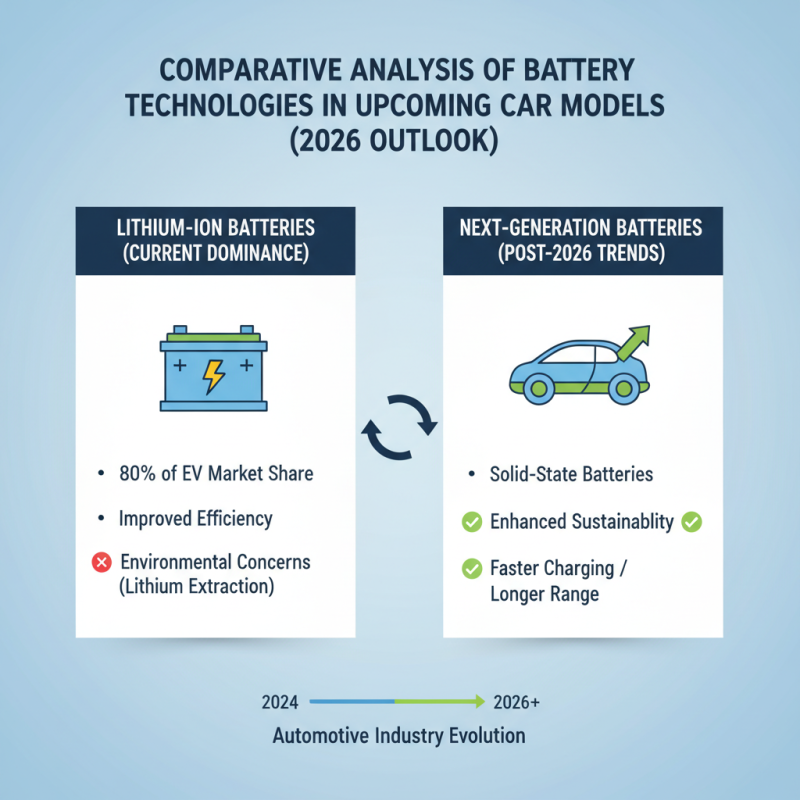
The automotive industry is rapidly evolving as battery technology advances. By 2026, many new energy car models will feature superior battery systems. Current reports highlight that lithium-ion batteries dominate the market, accounting for approximately 80% of electric vehicle batteries. Their efficiency has improved remarkably, yet there are concerns about sustainability. The extraction of lithium poses environmental challenges.
Solid-state batteries are showing promise as an alternative. They offer higher energy density and improved safety features. Reports indicate they could double the range of electric vehicles. However, production costs remain high. Their widespread adoption by 2026 seems uncertain.
Additionally, new technologies like lithium-sulfur batteries are emerging. They boast better energy capacity but face issues with cycle life. The balance between performance and durability remains crucial. Industry experts stress the need for innovation while addressing sustainability issues. The next few years will be critical for these developments.
Key Players in the New Energy Car Market and Their Innovations
The new energy car market is evolving rapidly. Innovators are pushing boundaries to create cleaner alternatives. Many companies focus on battery technology. This area is crucial for performance and sustainability. Some are developing solid-state batteries. These promise longer ranges and faster charging times.
Design also plays a big role. Sleek aesthetics attract consumers. New materials make cars lighter and more efficient. Some firms are exploring recycled components. This can reduce environmental impact. However, not all designs meet consumer expectations. Functionality sometimes takes a back seat to style.
Software innovations are also significant. Advanced driver-assistance systems improve safety. Autonomous features are on the rise. Yet, these technologies can provoke concerns. Trust in self-driving capabilities varies widely among consumers. Some worry about privacy and data security. As the market grows, these issues must be addressed. Innovations bring excitement but also challenges that need reflection.
Projected Sales Growth for Electric Vehicles by 2026: Industry Insights
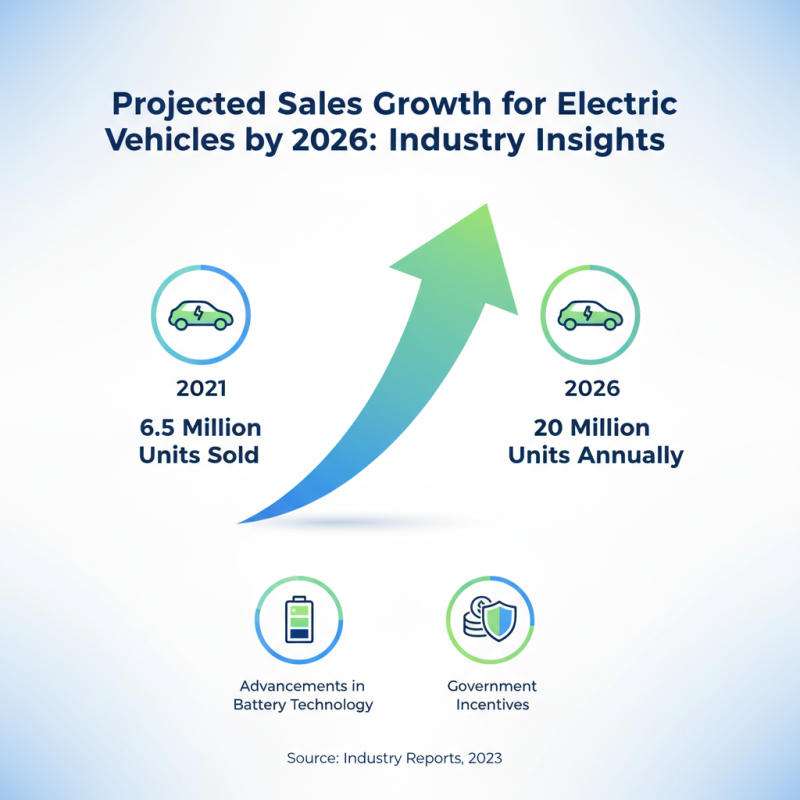
The electric vehicle market is rapidly evolving. By 2026, sales of electric vehicles (EVs) are expected to reach 20 million units annually. This marks a significant increase from the 6.5 million units sold in 2021. The shift is largely driven by advancements in battery technology and government incentives.
Industry reports suggest that the global EV market will grow at a compound annual growth rate (CAGR) of 22%. This growth reflects a stronger consumer demand for sustainable transportation. However, challenges remain. Infrastructure for charging stations is still inadequate in many areas. Consumers often express concerns about battery life and performance too.
As more manufacturers invest in new models, competition will intensify. Some predictions indicate that by 2026, nearly 30% of all vehicle sales will be electric. Despite this optimistic outlook, the market must address supply chain issues and raw material shortages. The road ahead may not be smooth, but the potential for transformation is immense.
Regulatory Changes Impacting New Energy Vehicle Development by 2026
Regulatory changes are reshaping the landscape of new energy vehicle development. By 2026, various countries are expected to implement stricter emissions standards. These regulations will push manufacturers to innovate, focusing on cleaner technologies. Expect to see enhanced battery solutions that reduce environmental impact. Policy incentives for electric vehicles are also likely to grow. Governments will likely provide grants and tax breaks to promote EV adoption.
However, these changes may pose challenges as well. Some smaller manufacturers might struggle to adapt. Compliance with new rules can be expensive. This may lead to a consolidation in the industry. The technological race could leave smaller players behind. Moreover, the recycling of batteries remains an unresolved issue. As production ramps up, this could become a significant concern. Finding sustainable solutions is critical yet complex.
The push for sustainable transport will also stimulate consumer interest. Buyers may seek vehicles that align with their values. Increased awareness of climate issues encourages this shift. Technological advancements could also improve driving experience. Efficiency and performance will become key selling points. The upcoming years will surely be transformative, marked by opportunities and uncertainties.

 T5EVO
T5EVO T5L
T5L T5
T5 Friday
 T5 HEV
 V9
V9 UTOUR (M4)
 M5 EV
M5 EV M5
M5 Lingzhi Plus
 S7
S7 V9 HEV
 S7
S7 6X4 H7 Tractor
 6X4 H5 Tractor
 6X4 HK Tractor
 4X2 H7 Tractor
 4X2 H5Tractor
 4X2 H5 Cargo Truck
 4X2 M3 Cargo Truck
 4X2 L2 Cargo Truck
 6X4 H7 Dump Truck
 6X4 H5 Dump Truck
 4X2 H5 Dump Truck
 4X2 M3 Dump Truck
 Light Truck L2
 Light Truck L2 EV
 H7 Refrigeratior Truck
 H5 Mixer Truck
 M3 Tank Truck
 M3 Sanitation Truck
 6X4 H7 Electric Truck
 4X2 H5V Electric Truck
 4X2 L2 Electric Truck