- Home
- PV
- CV
- KD
- About Us
- VR
- Global Experience Store
- Dealer
- News
- Contact Us
- Video
 T5EVO
T5EVO T5L
T5L T5
T5 Friday
 T5 HEV
 V9
V9 UTOUR (M4)
 M5 EV
M5 EV M5
M5 Lingzhi Plus
 S7
S7 V9 HEV
 S7
S7 6X4 H7 Tractor
 6X4 H5 Tractor
 6X4 HK Tractor
 4X2 H7 Tractor
 4X2 H5Tractor
 4X2 H5 Cargo Truck
 4X2 M3 Cargo Truck
 4X2 L2 Cargo Truck
 6X4 H7 Dump Truck
 6X4 H5 Dump Truck
 4X2 H5 Dump Truck
 4X2 M3 Dump Truck
 Light Truck L2
 Light Truck L2 EV
 H7 Refrigeratior Truck
 H5 Mixer Truck
 M3 Tank Truck
 M3 Sanitation Truck
 6X4 H7 Electric Truck
 4X2 H5V Electric Truck
 4X2 L2 Electric Truck
inquiry
Leave Your Message
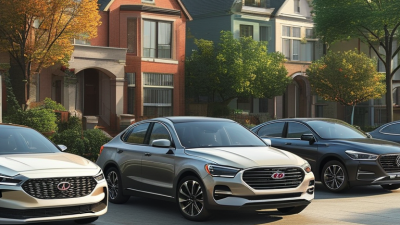
A sedan is a passenger car with three separate sections: the engine bay, cabin, and enclosed trunk. Its fixed roof, lower seating position, and four doors create a familiar driving shape. Yet today’s New Sedan Cars are changing in quiet but important ways. Many now offer hybrid power, advanced driver assistance, larger screens, and improved rear-seat comfort.
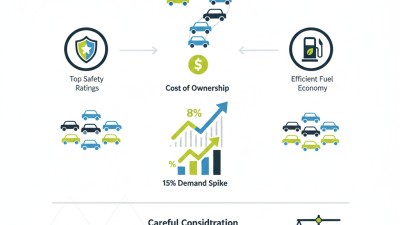
The market context is shifting. The U.S. Environmental Protection Agency’s Automotive Trends Report recorded average new-vehicle fuel economy of 27.1 miles per gallon in model year 2022. That figure highlights why efficient sedans still matter. Meanwhile, the International Energy Agency reported more than 14 million electric car sales worldwide in 2023. Some electric sedans now challenge crossovers in range, acceleration, and cabin space. Not every buyer needs that performance.
“The sedan is not dead,” said Karl Brauer, executive analyst at iSeeCars, in a widely cited industry observation. His point deserves a closer look. New Sedan Cars can provide a lower step-in height, cleaner highway handling, and often better fuel economy than similarly priced SUVs. A narrow trunk opening may limit bulky cargo, though.
Real-world ownership adds another layer. A sedan may feel stable on wet roads, but its lower clearance can become inconvenient on rough streets. Rear visibility varies between models. Battery weight can also change the traditional driving balance. These details matter more than showroom claims.
This guide compares sedan design, comfort, efficiency, safety, technology, and value. It uses findings from EPA, IEA, J.D. Power, and broader automotive-market research. Some comparisons remain imperfect. Vehicle class, trim level, tires, and driving habits can change the result. That is precisely why careful evaluation matters.
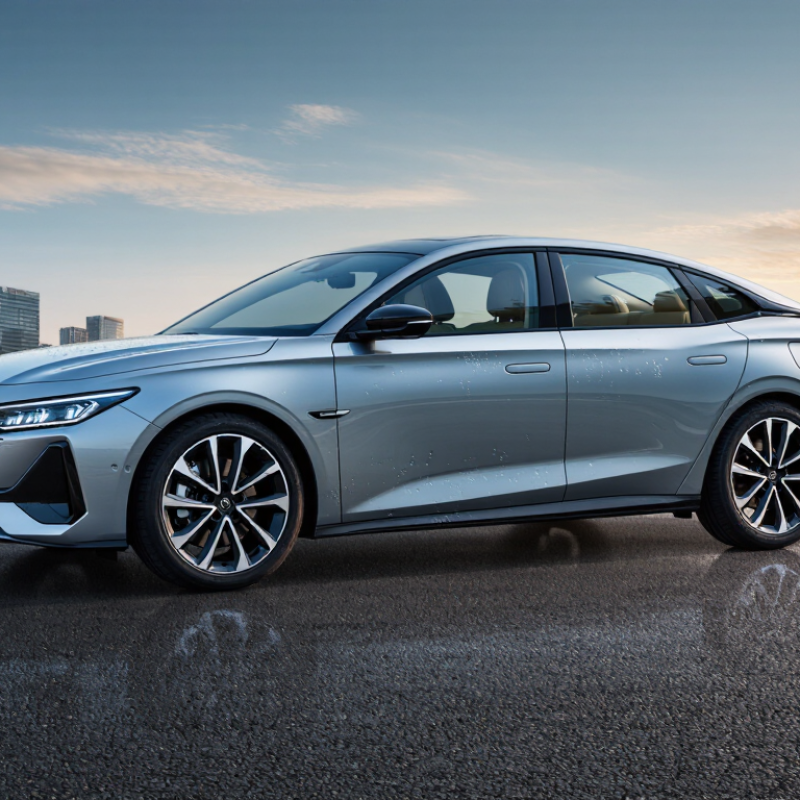
What is a sedan car? It is a passenger vehicle with three distinct sections: the engine bay, cabin, and enclosed trunk. Most sedans have four doors and two rows of seats. Their lower roofline can improve stability and reduce wind resistance. However, it may make entry harder for taller passengers. This trade-off is easy to miss during a short showroom visit.
New sedan cars often add hybrid systems, touchscreen controls, and driver-assistance features. The U.S. Environmental Protection Agency’s 2024 Automotive Trends Report puts average new-vehicle fuel economy at roughly 27 miles per gallon for the latest model year reviewed. A sedan may exceed that figure, but real-world traffic, cold weather, and tire pressure can change results. The Insurance Institute for Highway Safety also evaluates crash-prevention and occupant-protection performance, reminding buyers that fuel economy alone is not enough. More technology is useful, but more technology can also create distractions.
Tips: Sit in the rear seat before buying. Check headroom, knee space, and door opening width. Place a stroller or two suitcases in the trunk. Compare the EPA fuel-economy label, safety ratings, warranty terms, and repair access. Do not assume a newer sedan always feels better; firm suspension, limited visibility, or complicated controls may reduce daily comfort. A careful test drive in traffic often reveals more than a specification sheet.
| Comparison Dimension | What Defines a Sedan | Typical Traditional Sedan | Typical New Sedan | Practical Advantage |
|---|---|---|---|---|
| Body Configuration | A three-box passenger vehicle with separate engine, passenger, and luggage compartments. | Usually has four doors, a fixed roof, and a separate enclosed trunk. | Retains the three-box layout while adding streamlined bodywork, revised lighting, and improved cabin packaging. | Provides a clear separation between passengers and luggage while maintaining a familiar driving layout. |
| Passenger Capacity | Designed primarily for people rather than maximum cargo volume. | Commonly seats five occupants, although the center rear position may be less comfortable for adults. | Usually seats five, with more attention to rear legroom, seat comfort, and interior storage. | Suitable for commuting, family use, and longer trips. |
| Cargo Area | Uses a separate trunk rather than a full-height rear hatch. | Typical trunk capacity is approximately 350–500 liters, depending on vehicle size. | Often offers approximately 400–550 liters in comparable vehicle classes, with folding rear seatbacks on many models. | Protects luggage from weather and public view, although access is narrower than in a hatchback or wagon. |
| Overall Length | Available in several size categories, from compact to full-size. | Compact sedans are commonly about 4.4–4.7 meters long; larger sedans may exceed 4.9 meters. | Many new compact and midsize sedans remain within approximately 4.5–4.9 meters while using packaging improvements to increase interior space. | Longer bodies generally improve rear-seat room and highway stability but require more parking space. |
| Ride and Handling | The low center of gravity and balanced wheel placement support stable road behavior. | Typically offers predictable cornering, controlled body movement, and comfortable highway cruising. | May include revised suspension tuning, drive-mode settings, and electronically assisted chassis systems. | Usually delivers a balanced compromise between comfort, control, and everyday usability. |
| Powertrain Choices | Can use internal-combustion, hybrid, plug-in hybrid, or battery-electric propulsion. | Historically relied mainly on gasoline or diesel engines, depending on market and regulations. | Increasingly includes hybrid and battery-electric versions, as well as smaller turbocharged engines in some markets. | Different powertrains allow buyers to prioritize fuel savings, performance, emissions, or driving range. |
| Fuel Efficiency | Efficiency depends on body size, engine, transmission, weight, tires, and driving conditions. | Conventional compact sedans commonly achieve approximately 6–8 L/100 km under combined test cycles. | Efficient hybrid sedans can achieve roughly 4–6 L/100 km, while battery-electric versions use electricity instead of liquid fuel. | Lower energy consumption can reduce operating costs, but actual results vary with speed, temperature, load, and driving style. |
| Safety Equipment | Modern sedans are generally designed to meet applicable crash-protection regulations. | Common equipment includes airbags, anti-lock braking, electronic stability control, and seat-belt pretensioners. | More often includes automatic emergency braking, lane-departure warning, adaptive cruise control, and blind-spot monitoring. | Advanced driver-assistance features can help reduce collision risk, but they do not replace attentive driving. |
| Technology | Technology may include infotainment, connectivity, navigation, and vehicle monitoring systems. | Earlier vehicles generally used physical controls and smaller displays. | New sedans commonly offer larger touchscreens, wireless smartphone integration, digital instrument displays, and software updates. | Improves convenience and connectivity, although screen-based controls may require driver attention. |
| Driving Position | Usually has a lower seating position than an SUV or crossover. | Provides a car-like driving posture with a relatively low step-in height. | Maintains the low center of gravity while improving seat adjustment, visibility aids, and cabin ergonomics. | Supports stable handling and efficient aerodynamics, but may be less convenient for passengers who prefer a high seating position. |
| Aerodynamics | The sloping roof and separate rear deck can create an efficient aerodynamic profile. | Generally has lower wind resistance than many taller vehicle types. | Uses smoother underbody panels, active grille openings, flush surfaces, and carefully shaped rear sections on some models. | Reduced aerodynamic drag can support lower energy use, quieter cruising, and improved high-speed efficiency. |
| Best Suited For | Drivers seeking a practical passenger car with a conventional trunk and composed road manners. | Daily commuting, regular highway travel, and buyers who prefer straightforward controls and established designs. | Drivers who want sedan practicality combined with improved efficiency, connectivity, safety assistance, and electrified powertrain options. | Offers a strong balance of comfort, efficiency, handling, and ownership practicality. |
Note: Measurements and efficiency figures are representative ranges for common sedan categories, not specifications for a particular vehicle. Actual results vary by market, vehicle size, powertrain, equipment, testing method, road conditions, and driving habits.