A Luton Truck is a light commercial vehicle with a tall, box-shaped body extending above the cab. Its distinctive over-cab section creates extra room without greatly increasing road length. In the United Kingdom, this design is widely used for removals, furniture deliveries, and local business transport.
The name can confuse readers. It does not describe one single vehicle size. Manufacturers produce Luton Truck models with different dimensions, payloads, tail lifts, and driving requirements. Always check the manufacturer’s specification and local rules before loading or driving. A vehicle may look spacious while carrying less weight than expected.
Inside, the cargo area can hold sofas, wardrobes, appliances, packed cartons, and trade equipment. Many models include a rear shutter, tie-down points, and a hydraulic tail lift. These features make loading safer and more practical. They do not remove the need for careful weight distribution.
Real work is messier.
The article will explain what a Luton Truck is, how its structure supports everyday transport, and where it performs best. It will also examine common limitations, including parking difficulty, height restrictions, fuel use, and payload management. For removal companies, the box body protects goods from rain and road spray. For small businesses, it can combine delivery space with professional presentation. However, bigger does not always mean better. Choosing the right vehicle depends on cargo volume, total weight, route conditions, loading access, and driver experience. This practical overview aims to provide clear, reliable guidance for anyone considering a Luton Truck for work or moving purposes.
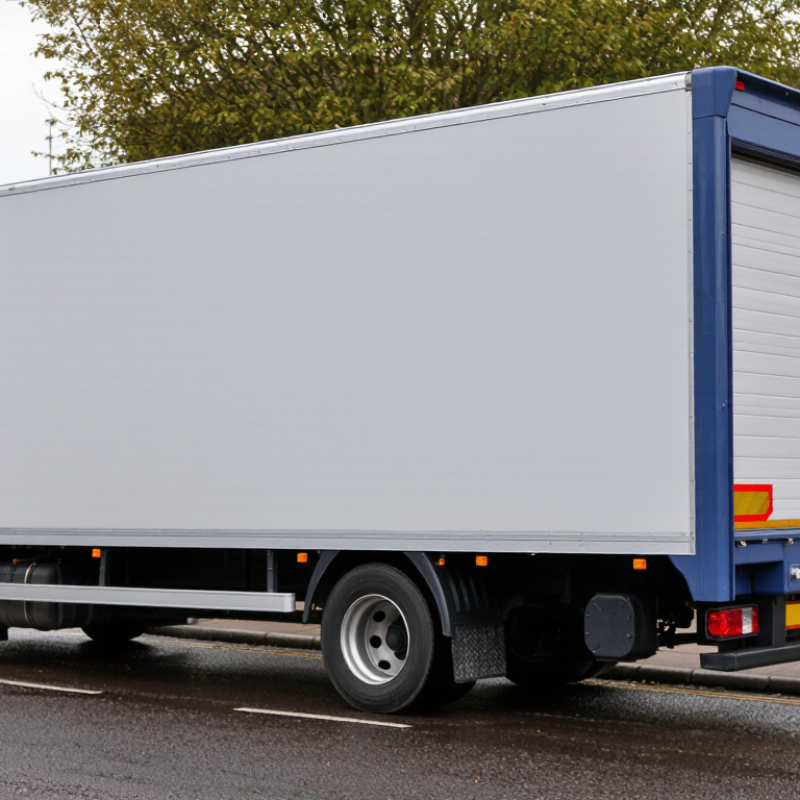
A Luton truck is a light commercial vehicle with a tall, box-shaped body extending over the cab. This over-cab section creates extra loading space without greatly increasing road length. Most models use a rear shutter door, side access, and a hydraulic tail lift. The body often measures about 4–6 metres long, while payloads commonly range from 800 kilograms to 1,200 kilograms. Exact capacity depends on the chassis, body materials, and lifting equipment.
Its design suits house moves, furniture delivery, office relocation, and bulky equipment transport. A flat floor makes stacking easier, but the internal height can tempt drivers to overload the upper area. The UK Department for Transport’s Vehicle Licensing Statistics reported about 4.8 million licensed light goods vehicles in 2023, showing the scale of demand for practical delivery vehicles. However, a Luton truck is not simply a larger van. Its weight distribution needs careful checking.
The Department for Transport’s Road Freight Statistics recorded roughly 1.65 billion tonnes moved by UK-registered heavy goods vehicles in 2023. Luton trucks handle smaller consignments within this wider logistics system. During real loading work, fragile items need edge protection, straps, and clear weight separation. The tail lift also requires level ground and controlled movement. I have seen operators focus on volume first, then discover that payload limits reduce usable space. That mistake deserves more attention. A Luton body offers capacity, not unlimited capacity.

A Luton truck is a rigid commercial vehicle with a box-shaped cargo body that extends over the cab. A typical cargo body is approximately 4.0 metres long, 2.0 metres wide, and 2.2 metres high, providing about 17.6 cubic metres of enclosed loading space. Actual dimensions and payload limits vary by vehicle design and configuration.
What Is a Luton Truck and What Is It Used For?
A Luton truck is a rigid vehicle with a box-shaped cargo body. Its body extends over the cab, creating a square front profile. The design provides extra loading space without using a trailer. It is commonly used for household removals, furniture delivery, and protected commercial transport. Not glamorous, but practical.
Construction begins with a strong chassis designed for a specific payload. Engineers balance the body length, axle capacity, and expected cargo weight. A steel or aluminum subframe supports the floor and side panels. Lightweight composite panels can reduce fuel use and preserve payload capacity. The box must remain light. Builders reinforce corners, door frames, and lifting points because these areas receive repeated stress. During inspection, technicians check floor deflection, panel joints, and fastener security. Small defects can grow quickly.
The cab and cargo body need a secure connection. Poor alignment may create vibration, noise, or water leaks. A tail lift can be fitted for heavy pallets, although it adds weight and maintenance demands. Rear doors usually include compression seals and locking bars. The roof needs enough strength for weather exposure, but excessive reinforcement reduces carrying efficiency. Interior lining protects walls from boxes, straps, and sharp furniture edges. No build is flawless. Designers sometimes choose speed over easy repair, and that trade-off deserves review. A misaligned door can admit rain, while an overloaded floor can affect handling.
| Design or Usage Dimension | Typical Specification or Characteristic | Purpose and Practical Benefit |
|---|---|---|
| Vehicle Category | Rigid commercial vehicle with a separate cab and box-shaped body | Provides a dedicated enclosed load area without using a detachable trailer. |
| Box-Body Profile | High, rectangular body extending over the cab | Uses the space above the cab to increase internal volume while keeping the vehicle relatively compact. |
| Common Overall Length | Approximately 5.5–8.5 metres, depending on chassis and body configuration | Offers more cargo capacity than a typical panel van while remaining suitable for road delivery work. |
| Typical Internal Height | Often around 2.1–2.6 metres | Allows bulky furniture, appliances, stacked cartons and other tall items to be transported upright. |
| Typical Internal Width | Commonly about 2.2–2.5 metres | Creates useful loading space for pallets, household goods and commercial cargo. |
| Typical Payload Range | Approximately 1,000–3,500 kilograms, depending on the vehicle's permitted mass and body equipment | Supports substantial loads, but the legal payload must always be calculated from the specific vehicle's plated limits. |
| Load Access | Usually rear access; some bodies also include a side access door | Supports loading from a loading bay and improves access when the rear is obstructed. |
| Tail Lift | Optional hydraulic or mechanical platform fitted at the rear | Raises heavy or wheeled goods between ground level and the cargo floor when a dock is unavailable. |
| Cargo Body Construction | Lightweight frame with insulated, composite or panelled walls | Balances low body weight with strength, weather protection and usable load volume. |
| Cargo Floor | Reinforced, level floor, often finished with durable non-slip material | Helps withstand pallet trucks, trolleys and repeated loading while reducing slip risk. |
| Load Restraint | Lashing rails, anchor points, straps and protective bars | Keeps cargo secure during braking, cornering and acceleration, reducing damage and movement. |
| Suspension | Leaf-spring or air suspension, depending on the chassis and operating requirements | Supports the payload and can help protect fragile goods from excessive vibration. |
| Cab and Driver Visibility | High driving position with large mirrors and, on some vehicles, camera assistance | Improves forward visibility, although the vehicle's height and rear blind spots require careful manoeuvring. |
| Typical Applications | House removals, furniture delivery, event logistics, retail distribution and equipment transport | Combines enclosed protection, generous volume and relatively easy access for urban and regional deliveries. |
| Main Operating Limitation | Greater height and turning requirements than a standard van | Drivers must check height restrictions, payload limits, road access, overhead clearance and safe loading procedures. |
Note: Dimensions and payload figures are representative ranges. Exact specifications vary according to the chassis, body design, equipment, legal weight limits and conversion configuration.
A Luton truck is a rigid vehicle with a box body extending over the cab. Its tall body suits furniture moves, trade deliveries, and bulky household goods.
Typical 3.5-tonne models offer about 15–20 cubic metres of storage. Internal lengths often range from 3.5 to 4.2 metres. Widths usually sit near 1.9–2.1 metres, with internal heights around 2.0–2.3 metres.
Payload commonly falls between 800 and 1,200 kilograms. These figures are practical industry ranges, not fixed standards. The UK Department for Transport’s Vehicle Licensing Statistics classifies vans by body type and gross weight, but it does not define one universal Luton specification.
Larger 7.5-tonne versions may provide roughly 30–40 cubic metres. Their payload can reach 2,500–4,000 kilograms, depending on body construction, tail lift, and chassis equipment.
DVSA guidance makes the key calculation clear:
Legal payload equals plated gross weight minus the vehicle’s actual unladen weight.
Storage volume can also mislead. Wheel arches, shelving, blankets, and load restraints reduce usable space. A tape measure beats a brochure. That estimate is useful, not perfect.
Tips:
A Luton truck is a moving vehicle with a box-shaped body extending over the cab. Its tall design creates useful vertical space for bulky loads. Most models include a rear tail lift, which helps raise heavy furniture, appliances, and packed boxes safely.
Luton trucks are commonly used for house moves, office relocations, and furniture deliveries. Their enclosed body protects belongings from rain, dust, and road spray. Removal teams can load sofas, wardrobes, mattresses, and many smaller cartons in one journey.
Small businesses also use them for equipment transport, event setup, and local delivery work. In my experience, the extra height is valuable, but it can make narrow streets and low bridges more difficult. A vehicle that looks spacious can still become unstable when heavy items are loaded carelessly.
Tips: Check the route before driving. Measure bridges, entrances, and parking areas. Place dense items low and close to the front bulkhead. Use straps, blankets, and corner protection to prevent movement and damage. Keep the tail lift area clear, and never exceed the vehicle’s stated payload. I once underestimated how quickly loose boxes could shift during braking. That mistake made the unloading slower and showed why careful load planning matters.
A Luton truck combines a cab with a tall, box-shaped body above it. This design creates useful cargo space for furniture, equipment, and household moves. However, its height changes how the vehicle handles. The body catches crosswinds, especially on exposed roads and bridges. Drivers should reduce speed before bends and leave extra braking distance.
Visibility needs careful attention. Large mirrors help, but they cannot remove every blind spot. Check mirrors before changing lanes, turning, or pulling away. Reverse only when the area is clear. A trained guide can help, although communication may fail in noisy yards. The UK Health and Safety Executive identifies workplace transport as a major source of fatal injuries, accounting for about a quarter of such deaths in some reporting periods. That figure makes slow manoeuvring feel less optional.
Load security is equally important. Place heavier items low and near the front bulkhead. Spread weight across the floor, then secure it with suitable restraints. An uneven load can affect steering and braking. The U.S. National Highway Traffic Safety Administration recorded 5,837 deaths in large-truck crashes during 2022. A Luton truck may fall outside some classifications, but the warning remains relevant. Seat belts, tyre checks, working lights, and weather-aware driving matter every trip. Small omissions happen. They still deserve correction.