How to Buy a Forthing V9 for Global Import?
Buying a Forthing V9 for global import requires more than comparing showroom prices. The real decision begins with destination-country compliance, vehicle specification, and after-sales support. A model accepted in one market may need different certification elsewhere. Check lighting rules, emissions limits, charging standards, safety equipment, and registration procedures before paying a deposit.
Automotive import consultant Li Wen offers a practical reminder: “A successful import begins with compliance, not the showroom price.” That principle shapes this guide. It follows the journey from finding an authorized Forthing V9 supplier to confirming production details, shipping terms, insurance, customs documents, and local registration. A careful buyer should request the VIN, build sheet, warranty terms, battery information, and inspection records. Photos are useful. Independent verification is better.
Costs can change quickly. Freight rates, import duties, port handling, taxes, and local modification fees may exceed early estimates. Ask for a complete landed-cost quotation. Use written contracts with clear payment milestones. Avoid unofficial sellers who cannot explain vehicle origin or warranty coverage. That sounds obvious, but rushed buyers often overlook it.
There is also a less comfortable question: will local technicians support the Forthing V9 after delivery? Parts access, software compatibility, and diagnostic equipment matter during ownership. This guide cannot remove every uncertainty. Regulations change, and supplier promises deserve checking. Still, a structured process can reduce expensive surprises and make a global Forthing V9 import more transparent, lawful, and manageable.
Confirm the Forthing V9 Powertrain and WLTP/CLTC Range Data
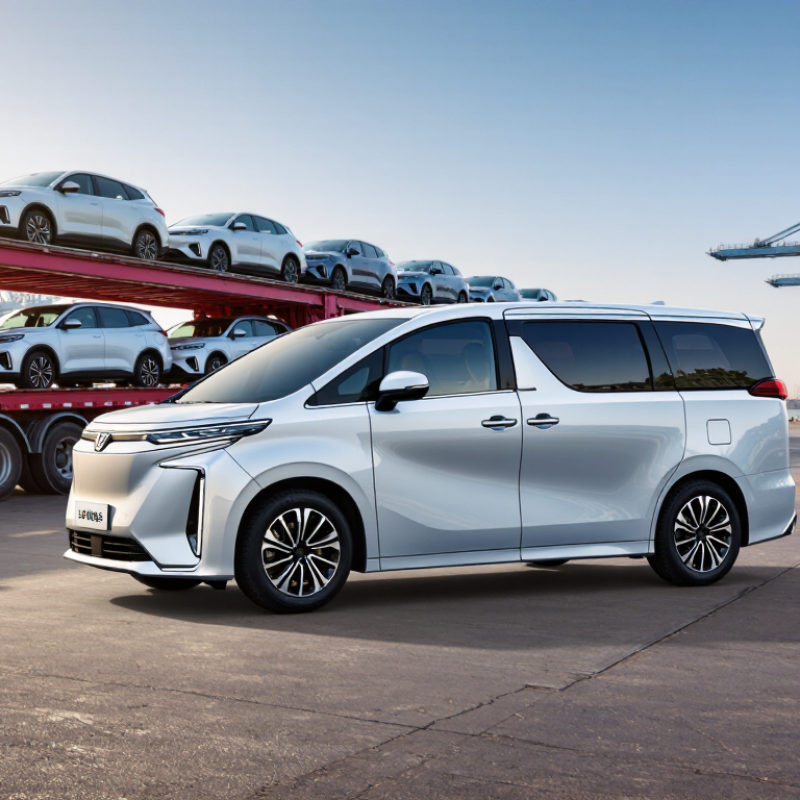
When planning a global import of the V9, confirm its powertrain before discussing price or shipping. The model is generally presented as a plug-in hybrid MPV, combining a petrol engine, electric drive system, and rechargeable battery. However, specifications can differ by production year and destination market. Request the vehicle’s build sheet, battery capacity, engine output, transmission type, and charging standards in writing.
Range figures need careful checking. Some published Chinese-market listings report an electric range near 200 kilometres under the CLTC cycle. That figure is not equivalent to WLTP range. WLTP testing usually produces a lower, more realistic result because it uses different speeds, temperatures, and driving conditions. Do not estimate a WLTP figure by applying one simple discount. Ask for an official WLTP certificate, or confirm that no WLTP rating exists for the selected configuration.
Look closely at the small details. Check whether the charging port matches your local infrastructure. Verify onboard charger capacity, battery warranty terms, and charging cable specifications. Ask for the battery’s usable capacity, not only its gross capacity. Also confirm whether the stated range applies with seven occupants, air conditioning, and standard wheels. A test sheet may look convincing, yet it can describe another trim. I would recheck every number against the VIN-linked document. Small assumptions here can become expensive mistakes.
Check HS Code 8703, Tariffs, VAT, and Import Eligibility
Importing a Forthing V9 begins with classification, not a purchase order. Check whether customs accepts HS Code 8703 for passenger vehicles, including the vehicle’s engine, seating, and energy system. Classification can differ between countries. Ask the destination customs authority or a licensed broker for a written opinion before payment.
Tariffs may depend on engine type, cylinder capacity, vehicle value, origin, and trade agreements. Calculate duty using the customs value, usually including transport and insurance to the border. VAT may then apply to the vehicle, duty, and selected import charges. Rates change often. Verify them on the official tax portal, not only a supplier quotation.
Eligibility requires more than a valid HS code. Confirm left- or right-hand-drive rules, safety certification, emissions testing, charging standards, and local registration documents. Request the vehicle identification number, certificate of origin, commercial invoice, packing details, and conformity records. Keep every version.
Small errors matter. A missing emissions document can delay clearance for weeks. I would also compare the declared value with similar vehicles, because an unusually low value may trigger customs review. Check recall information and warranty support in the destination market. A broker can help, but the importer remains responsible for accurate declarations. Rules differ by country, and online advice can become outdated quickly. Verify before shipping.
How to Buy a Forthing V9 for Global Import?
HS Code 8703, tariffs, VAT, and import eligibility for a passenger vehicle imported from outside the European Union.
The chart compares the EU’s standard 10% third-country customs duty for passenger cars under HS heading 8703 with the standard VAT rates applied in selected EU markets. VAT is generally calculated on the customs value plus customs duty and other taxable import costs, so the combined cash impact is not obtained by simply adding the two percentages.
HS 8703 covers motor vehicles principally designed to transport people. The final eight- or ten-digit tariff classification depends on factors such as vehicle type, powertrain, engine capacity, and technical specifications. Import eligibility may also require type approval, safety compliance, emissions documentation, customs clearance, and registration approval in the destination country. Rates shown are standard published rates; preferential treatment, exemptions, national registration taxes, and product-specific trade measures may change the final cost.
Validate Euro 6e, UNECE R100, and Local Safety Requirements
Before importing a large electrified MPV, verify European and local approval evidence, not only the sales brochure. Euro 6e covers emissions, onboard monitoring, and real-world conformity requirements for applicable vehicles. Ask for the official Certificate of Conformity, emissions test family, and production date. A vehicle approved under an earlier stage may need additional local testing. That detail is easy to miss.
UNECE R100 Rev.3
UNECE R100 Rev.3 is central to electric powertrain safety. It addresses rechargeable energy storage systems, electrical protection, vibration, mechanical integrity, fire resistance, and overcharge risks. Request the approval number and battery test documentation. Check whether the certificate covers the exact battery version and software configuration. The IEA Global EV Outlook 2024 recorded almost 14 million electric car sales in 2023, showing strong market growth. Compliance capacity, however, has not grown equally everywhere. My checklist is useful, but it is not perfect.
Tips:
Confirm lighting, mirrors, charging connectors, child-seat anchors, airbags, ADAS functions, and right- or left-hand traffic compatibility with the destination authority. Have an independent homologation engineer compare every document with the vehicle’s VIN. Keep translated records. Small paperwork gaps can delay registration.
Calculate Landed Cost Using Incoterms 2020, Freight, Duty, and Tax
How to Buy a Forthing V9 for Global Import?
Landed cost starts with the correct Incoterm, not the advertised vehicle price.
Under Incoterms 2020, FOB usually places main-carriage responsibility with the buyer. CIF includes ocean freight and insurance, but risk transfers earlier. DAP excludes import duty and tax, while DDP requires the seller to manage import clearance. Confirm every responsibility in writing.
Build the calculation line by line: vehicle price, export handling, inland transport, freight, insurance, destination charges, customs duty, VAT or GST, registration, and inspection fees. Customs value often includes freight and insurance, but national rules differ. Check the vehicle’s HS classification, origin documents, and valuation method with a licensed customs professional. One missing fee can change the result.
The first spreadsheet is rarely right.
UNCTAD’s Review of Maritime Transport reports that over 80% of global merchandise trade by volume moves by sea. Freight volatility therefore matters. Compare at least two current carrier quotations and record validity dates. The World Bank’s 2023 Logistics Performance Index also shows that tracking and border-clearance quality vary widely between markets. Add a realistic contingency, perhaps 5–10%, for storage, demurrage, currency movement, or document corrections. That allowance is not elegant, but ignoring it can be worse. Use the final landed-cost figure, not the factory quote, when judging affordability.
Complete VIN, COC, Customs, and Registration Documents Before Delivery
How to Buy a Forthing V9 for Global Import?
Buying a vehicle for international import requires more than checking its price and equipment. Before delivery, request the complete Vehicle Identification Number, or VIN, from the seller. Confirm that it matches the purchase contract, invoice, chassis plate, and shipping documents. One wrong character can delay customs clearance.
Ask for the Certificate of Conformity, or COC, when available. It should show technical details such as emissions, dimensions, engine output, and approved weight limits. However, a COC may not satisfy every destination’s requirements. Contact the local vehicle authority before payment. Some countries request translated documents, additional inspections, or specific safety certificates. Rules can change.
Prepare the commercial invoice, packing list, bill of lading, import permit, and proof of ownership. A licensed customs broker can check tariff classification and calculate duties before shipment. Keep clear scans and original copies. Small details matter. The registration office may also need identity documents, insurance proof, and a physical inspection report. I would not rely on verbal promises. Written confirmation is safer, though even official guidance can be incomplete. Ask the seller to review every document against the VIN before loading. A final document check may feel repetitive, but it can prevent storage fees, registration delays, and costly corrections after arrival.

 T5EVO
T5EVO T5L
T5L T5
T5 Friday
 T5 HEV
 V9
V9 UTOUR (M4)
 M5 EV
M5 EV M5
M5 Lingzhi Plus
 S7
S7 V9 HEV
 S7
S7 6X4 H7 Tractor
 6X4 H5 Tractor
 6X4 HK Tractor
 4X2 H7 Tractor
 4X2 H5Tractor
 4X2 H5 Cargo Truck
 4X2 M3 Cargo Truck
 4X2 L2 Cargo Truck
 6X4 H7 Dump Truck
 6X4 H5 Dump Truck
 4X2 H5 Dump Truck
 4X2 M3 Dump Truck
 Light Truck L2
 Light Truck L2 EV
 H7 Refrigeratior Truck
 H5 Mixer Truck
 M3 Tank Truck
 M3 Sanitation Truck
 6X4 H7 Electric Truck
 4X2 H5V Electric Truck
 4X2 L2 Electric Truck