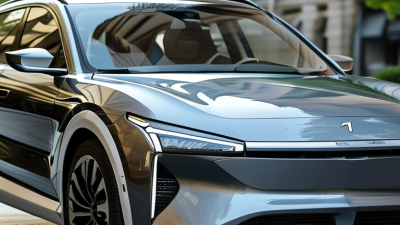
Buying Dongfeng Forthing cars for global import requires more than comparing factory prices. Importers must examine vehicle specifications, destination-market approval, shipping terms, taxes, warranty coverage, and parts availability. A model that performs well in China may need different lighting, software, charging equipment, or safety certification elsewhere. Small details matter. Check the VIN before payment.
The International Energy Agency’s Global EV Outlook 2025 reports that global electric-car sales exceeded 17 million units in 2024, with China representing more than half of demand. This growth creates opportunities for Dongfeng Forthing, especially in markets seeking competitively priced electric and hybrid vehicles. However, the IEA also highlights uneven charging infrastructure and policy conditions. That means buyers should calculate the complete landed cost, not only the vehicle invoice. Freight, port handling, customs duties, homologation, local registration, and technician training can change the final business case.
Zhou Xianpeng, General Manager of Dongfeng Liuzhou Motor, has described the company’s overseas direction in a public communication: “We are accelerating the transformation from product export to brand export.” This statement matters for importers because reliable support should continue after delivery. Ask for written service commitments, battery-warranty terms, spare-parts lead times, and technical manuals. The World Bank’s Logistics Performance Index also shows that border efficiency and logistics reliability differ sharply between countries. A practical import plan should reflect that reality. I may be overly cautious, but a low purchase price is not automatically a good deal. Compare verified documents, local compliance requirements, and after-sales capacity before choosing a Dongfeng Forthing model.
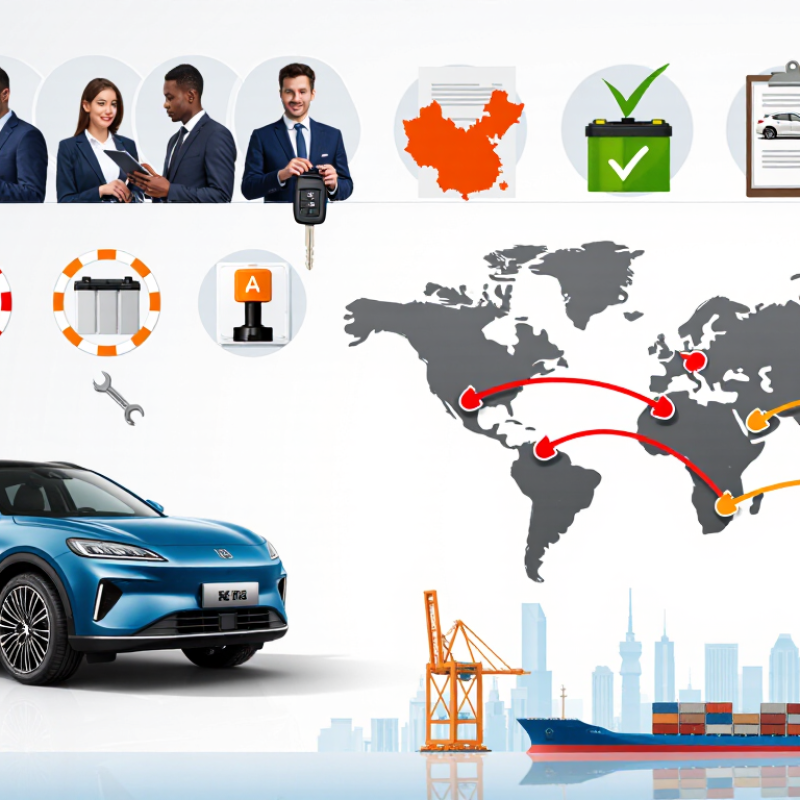
A reliable import plan begins with evidence, not showroom excitement. Review the latest IEA Global EV Outlook for regional sales trends, battery adoption, and charging growth. Then compare those findings with local registration data from transport agencies or trusted industry associations. Registration records reveal practical demand more clearly. They show preferred body types, powertrains, and price ranges. Check at least three years of data. One strong month can mislead buyers.
Match the vehicle specification with local conditions. Study charging standards, climate performance, safety requirements, import duties, and warranty support. A compact electric vehicle may suit dense cities, while larger markets may need longer range and more cargo space. Request conformity documents, battery details, test reports, and a complete landed-cost quotation. Confirm every item before payment. I have learned that unclear documentation creates more delays than shipping itself.
Tips: Build a simple demand table using IEA estimates, registration volumes, charging points, and competitor prices. Separate private buyers from fleet customers. Test the calculation with a low-demand scenario. Local data can be incomplete, and that matters. Ask an independent compliance specialist to review technical documents and registration procedures. Keep written records of every assumption, because forecasts are never perfectly clean.
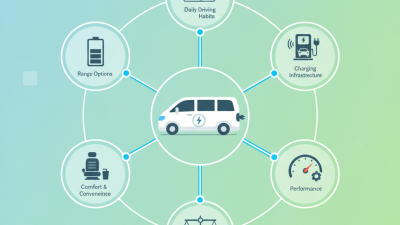
When importing passenger vehicles, select the model by use, destination, and technical specification. The WCO Harmonized System 2022 places passenger motor vehicles under HS 8703, including cars, station wagons, and similar vehicles. Seating capacity, power source, and vehicle design matter. Do not classify a vehicle by its marketing description alone.
Check the exact national tariff schedule after confirming the six-digit WCO code. Many customs authorities add local subheadings, duty rates, and import conditions. An electric passenger vehicle may still fall under HS 8703, but battery details and propulsion type can affect the final code. The WCO Explanatory Notes provide useful guidance. However, they do not replace a binding customs ruling.
Keep the evidence together. Ask for the commercial invoice, packing list, vehicle specifications, certificate of origin, VIN details, and test documents. Compare these records before shipment. UN Comtrade trade data can help review declared product flows, while OICA reported global motor vehicle production above 93 million units in 2023. That scale shows why classification errors can multiply quickly. A small description mismatch may delay clearance. It happens. I would also verify dimensions, seating, engine or motor output, and gross weight with an independent inspection agency. Relying only on a seller’s HS code is convenient, but not sufficiently reliable.
The chart summarizes the six-digit passenger-car propulsion branches listed under WCO HS 2022 heading 8703, excluding special-purpose vehicles. Before import, match the vehicle’s propulsion system and technical specifications with the applicable HS 8703 branch, then confirm the final tariff code and duty treatment with the destination country’s customs authority because national tariff schedules may add further digits.
Before purchasing, verify whether the vehicle has type approval for your destination market. UN Regulations may cover braking, lighting, seat belts, crash protection, and electronic safety systems. Approval is not automatically accepted everywhere.
Request the complete conformity file from the exporter or manufacturer. It should include the Certificate of Conformity, technical specifications, VIN structure, emissions data, and test reports. Check whether the documents identify the exact model, engine, battery, trim, and production year. A similar-looking vehicle may use different safety equipment. That detail matters.
Compare UN approval evidence with local crash-test requirements. Some countries require additional frontal, side-impact, pedestrian, or child-protection testing. Others may demand local certification, inspection, or adaptation before registration. Ask an independent testing agency or qualified homologation engineer to review the file. Do not rely only on sales brochures. They are often incomplete.
I have seen import plans delayed by one missing lighting certificate.
Confirm that the approved configuration matches the vehicle you will receive. Verify airbags, restraint systems, charging equipment, tires, and software versions before shipment. Keep written records of every technical answer. If the exporter cannot explain a test number or approval scope, pause the order. In practice, buyers sometimes discover that a certificate covers one wheelbase but not another. That mistake is expensive. Allow time for translation and document verification, because rushed checks can overlook a critical local requirement.
Buying a vehicle for global import requires more than comparing the supplier’s invoice. I calculate the landed cost before signing, using Incoterms 2020 as the starting point. Under FOB, the buyer usually pays ocean freight, insurance, destination charges, and import clearance. Under CIF, freight and insurance are included, but destination costs and taxes remain with the buyer. DDP may appear simple, yet local tax rules and vehicle registration requirements must be confirmed carefully.
The calculation should include the vehicle price, export handling, inland transport, freight, insurance, customs duty, VAT, port storage, inspection, and broker fees. Customs authorities may assess duty using the vehicle value plus freight and insurance, depending on national rules. VAT can also apply to the customs value and import duty. Ask a licensed customs broker to confirm the correct HS classification and tax base. Small errors become expensive.
I once underestimated destination handling by several hundred dollars. That changed my process. Now I request a written quotation with currency, shipment terms, validity period, and every excluded charge. I also compare at least two freight routes and check sailing schedules before budgeting.
Exchange rates can shift the final figure. So can demurrage. A reliable worksheet should show best-case, expected, and delayed-arrival costs. It is not perfect, but it exposes weak assumptions before payment. Always verify duties and VAT with the destination country’s official customs and tax authorities.
Buying vehicles for global import requires more than a competitive factory price. The exporter should provide a commercial invoice, packing list, bill of lading, certificate of origin, and vehicle conformity documents. Check the chassis number on every document. A small mismatch can delay customs clearance.
The World Bank’s Logistics Performance Index 2023 assessed 139 economies through customs, infrastructure, and shipment reliability. These factors directly affect delivery planning. Confirm the destination country’s import duty, emissions rules, safety standards, and homologation process before payment. IEA’s Global EV Outlook 2024 recorded nearly 14 million electric-car sales in 2023, showing why battery certificates and charging compatibility now deserve close attention. However, report data cannot replace local customs advice.
Warranty terms must state coverage, duration, exclusions, labor responsibility, and claim procedures. Ask whether repairs require approved workshops or remote technical support. Parts support should include fast-moving items, such as filters, brake pads, sensors, lamps, and body panels. Request a parts catalogue with codes and estimated delivery times. Keep a written escalation contact.
Do not assume every promise is operational.
A practical test is a trial shipment. Review document quality, clearance timing, damage handling, and technical replies before scaling orders. I would also question vague warranty language, even when the vehicle price looks attractive. A clean contract protects both sides, but it cannot fix weak after-sales planning.