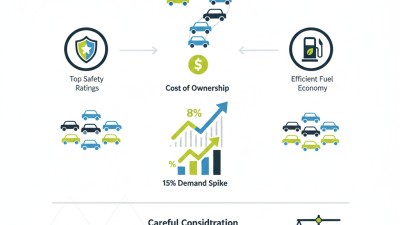
Why Choose Passenger Vehicles for Global Procurement?
In the world of global procurement, selecting the right vehicle type is crucial. Passenger vehicles play a vital role in this landscape. Reports indicate that the global passenger car market is projected to reach approximately 100 million units by 2025. This growth signifies a robust demand for passenger vehicles, underlining their importance in procurement strategies.
The need for efficiency and sustainability drives companies to invest in passenger vehicles. They offer versatility and comfort for both consumers and businesses. According to industry studies, electric passenger vehicles are expected to account for 30% of new car sales by 2030. This shift highlights a transformation toward greener solutions in the automotive sector.
However, challenges remain. The rapidly changing market and supply chain disruptions require constant adaptation. Companies must reflect on their procurement strategies to ensure they align with evolving consumer preferences. The focus on passenger vehicles should prioritize quality, sustainability, and compliance with emerging regulations. As the market evolves, stakeholders must remain agile and informed.

Benefits of Passenger Vehicles in Global Procurement Strategies
Passenger vehicles play a crucial role in global procurement strategies. They offer numerous benefits that directly impact operational efficiency and cost-effectiveness. These vehicles are widely available, making it easier for companies to source them across different regions. This availability allows for streamlined logistics, enhancing supply chain management. Lower transportation costs are another advantage. By using passenger vehicles, businesses can reduce freight expenses significantly.
Key features of passenger vehicles include their adaptability. They can easily navigate urban environments and remote areas alike. This flexibility ensures that products can reach diverse markets quickly. However, businesses must also consider the maintenance and repair aspects. Overlooking regular checks might lead to unexpected downtime.
When planning to integrate passenger vehicles into global procurement, it’s important to analyze the market trends. Understanding local demands helps in making informed decisions. Also, focus on building strong relationships with suppliers to ensure reliable service. These strategies pave the way for effective procurement outcomes.
Why Choose Passenger Vehicles for Global Procurement? - Benefits of Passenger Vehicles in Global Procurement Strategies
| Dimension |
Benefit |
| Cost Efficiency |
Lower maintenance and operational costs compared to larger vehicles. |
| Fuel Economy |
Generally better fuel efficiency leads to reduced fuel expenses. |
| Flexibility |
Easier to navigate in urban environments and congested areas. |
| Sustainability |
Increased availability of electric and hybrid options promotes eco-friendly practices. |
| Employee Satisfaction |
Passenger vehicles enhance comfort and convenience for employees. |
| Vendor Relationships |
Relationship building with suppliers can be improved due to lower investment risk. |
Key Factors Driving the Demand for Passenger Vehicles
The demand for passenger vehicles has surged in recent years. Several key factors are driving this trend. Urbanization is one of them. More people are moving to cities, increasing the need for reliable transportation. This growth has led to higher expectations for personal mobility.
Another factor is the rise of environmental awareness. Consumers are now more informed about sustainable options. They seek vehicles that offer better fuel efficiency and lower emissions. Innovations in electric and hybrid vehicles play a significant role. These advancements make it easier for buyers to choose greener alternatives.
Economic stability also contributes to this demand. As economies grow, disposable incomes increase. Families are more willing to invest in passenger vehicles. However, challenges remain. Supply chain issues can affect availability. Consumers must navigate these complexities to make informed decisions. Understanding market dynamics is essential for those looking to purchase a vehicle.
Comparative Analysis: Passenger Vehicles vs. Other Vehicle Types
Passenger vehicles stand out in global procurement thanks to their versatility and widespread use. They are not just modes of transport; they are part of daily life for many. Comparing passenger vehicles to commercial trucks or specialized vehicles reveals several key advantages. Passenger vehicles often have lower initial costs, making them attractive for businesses. Their fuel efficiency tends to be better, which can lead to cost savings over time.
Choosing the right vehicle type involves considering the intended purpose. For bulk goods or heavy equipment transport, larger vehicles may seem preferable. However, passenger vehicles can adapt to varied needs, from urban commuting to long-distance travel. They also generally offer advanced safety features. This focus on safety can enhance reputation and reliability for fleets.
When conducting procurement, assess local market conditions. Factors like regional preferences and fuel prices can influence overall value. It’s essential to balance cost with functionality. A less expensive choice may result in higher maintenance costs later. Investing in passenger vehicles can provide an efficient solution while remaining adaptable to changing needs in logistics.
Consider test-driving various models to gauge comfort and handling. Researching different specifications can provide valuable insights. Rely on industry reports for the most up-to-date trends.
Challenges and Considerations in Sourcing Passenger Vehicles
Sourcing passenger vehicles involves numerous challenges and considerations. One major concern is the fluctuating global supply chain. Disruptions can arise from geopolitical tensions or natural disasters. These factors can delay production and delivery, adding stress to procurement schedules. Companies must stay informed about potential risks in different regions.
Another consideration is the diversity of consumer preferences. Regions often have distinct vehicle requirements. This can complicate the sourcing process. Sourcing teams must conduct thorough market research. They need to understand local tastes, regulations, and environmental concerns. This context is crucial for making informed decisions.
Communication across borders poses additional challenges. Language barriers can lead to misunderstandings. Cultural differences may affect negotiations and collaboration. Building strong relationships with suppliers is essential. Trust and transparency can ease these challenges, leading to better outcomes in vehicle procurement.
Future Trends in Global Procurement of Passenger Vehicles
The global procurement of passenger vehicles is evolving. As markets grow, so do the complexities of sourcing. Digital tools enhance transparency and efficiency in the supply chain. They allow buyers to track vehicle production in real-time. This shift toward digitalization offers a wealth of data but also increases the pressure on suppliers to deliver consistently.
Buyers need to be aware of emerging trends in electrification and sustainability. The demand for electric vehicles continues to rise. However, this transition is not without challenges. Infrastructure needs to catch up with the growing number of electric cars. Additionally, buyers must navigate the varying regulations across regions, which can complicate procurement efforts. Reflecting on these factors can help avoid costly mistakes.
Consider engaging with regional experts in different markets. Their local knowledge can reveal insights that might not be immediately apparent. Building relationships with suppliers enhances communication and collaboration. This agility is crucial in adapting to changing market conditions. Diversifying your supplier base can mitigate risks associated with single-source dependencies. These strategies will pave the way for successful procurement in the future.

 T5EVO
T5EVO T5L
T5L T5
T5 Friday
 T5 HEV
 V9
V9 UTOUR (M4)
 M5 EV
M5 EV M5
M5 Lingzhi Plus
 S7
S7 V9 HEV
 S7
S7 6X4 H7 Tractor
 6X4 H5 Tractor
 6X4 HK Tractor
 4X2 H7 Tractor
 4X2 H5Tractor
 4X2 H5 Cargo Truck
 4X2 M3 Cargo Truck
 4X2 L2 Cargo Truck
 6X4 H7 Dump Truck
 6X4 H5 Dump Truck
 4X2 H5 Dump Truck
 4X2 M3 Dump Truck
 Light Truck L2
 Light Truck L2 EV
 H7 Refrigeratior Truck
 H5 Mixer Truck
 M3 Tank Truck
 M3 Sanitation Truck
 6X4 H7 Electric Truck
 4X2 H5V Electric Truck
 4X2 L2 Electric Truck